⚜️ Flood Insurance in South Louisiana: NFIP vs. Private Flood Insurance ⚜️IntroductionIf you've spent any time buying, selling, or owning a home in South Louisiana, you've probably heard the
Dated: May 21 2026
Views: 124
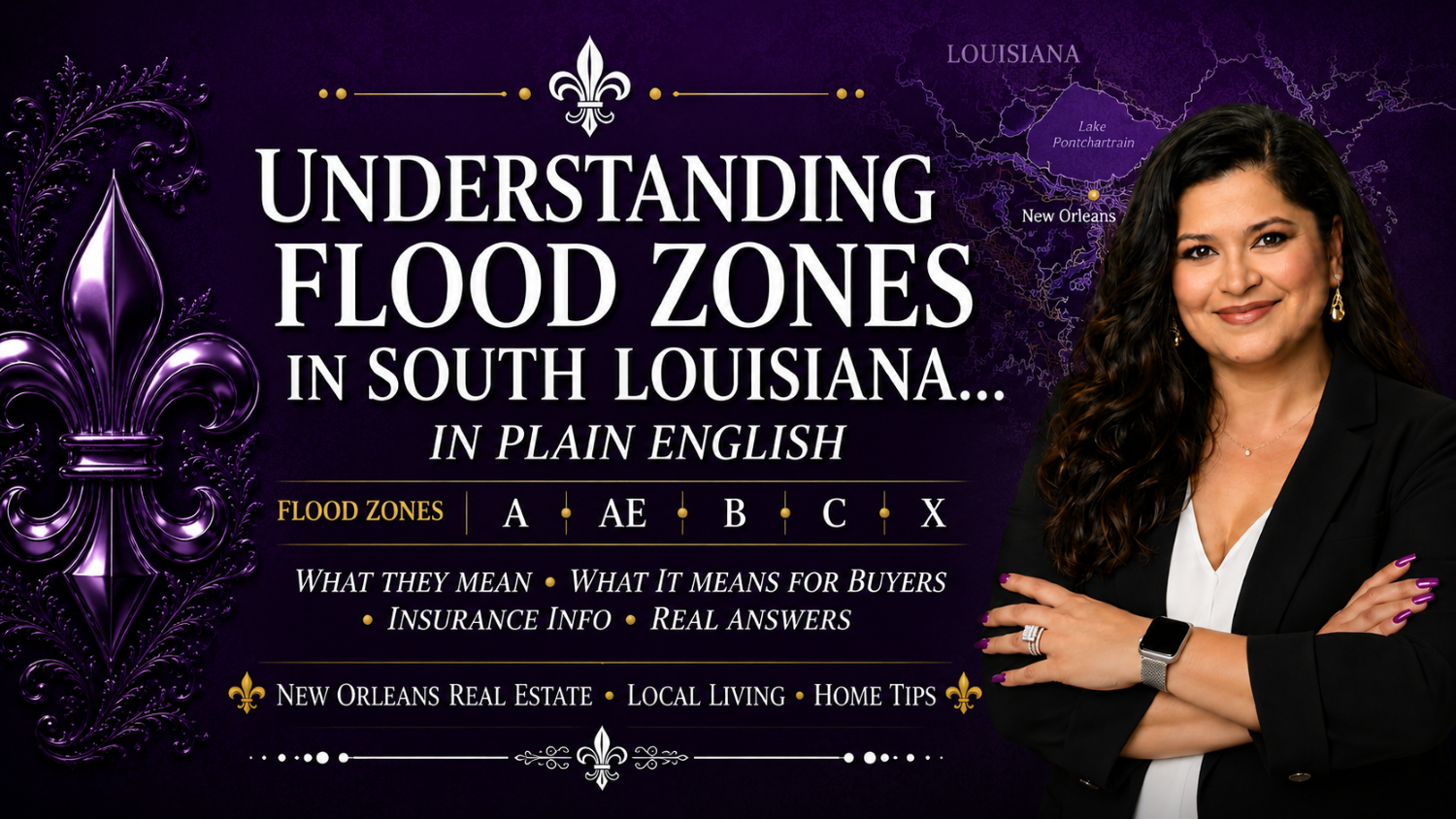
If you’ve ever looked at homes in South Louisiana, chances are you’ve heard terms like Flood Zone A, AE, or X and immediately felt confused. Honestly, many buyers hear the word “flood zone” and assume the worst without really understanding what those letters actually mean.
Living in Metro New Orleans and surrounding parishes, flood insurance and flood zones are simply part of the conversation when buying a home. But understanding them in plain English can make the process much less intimidating.
Flood zones are determined by FEMA, which stands for the Federal Emergency Management Agency. FEMA creates flood maps that help determine a property’s level of flood risk and whether flood insurance may be required by a lender.
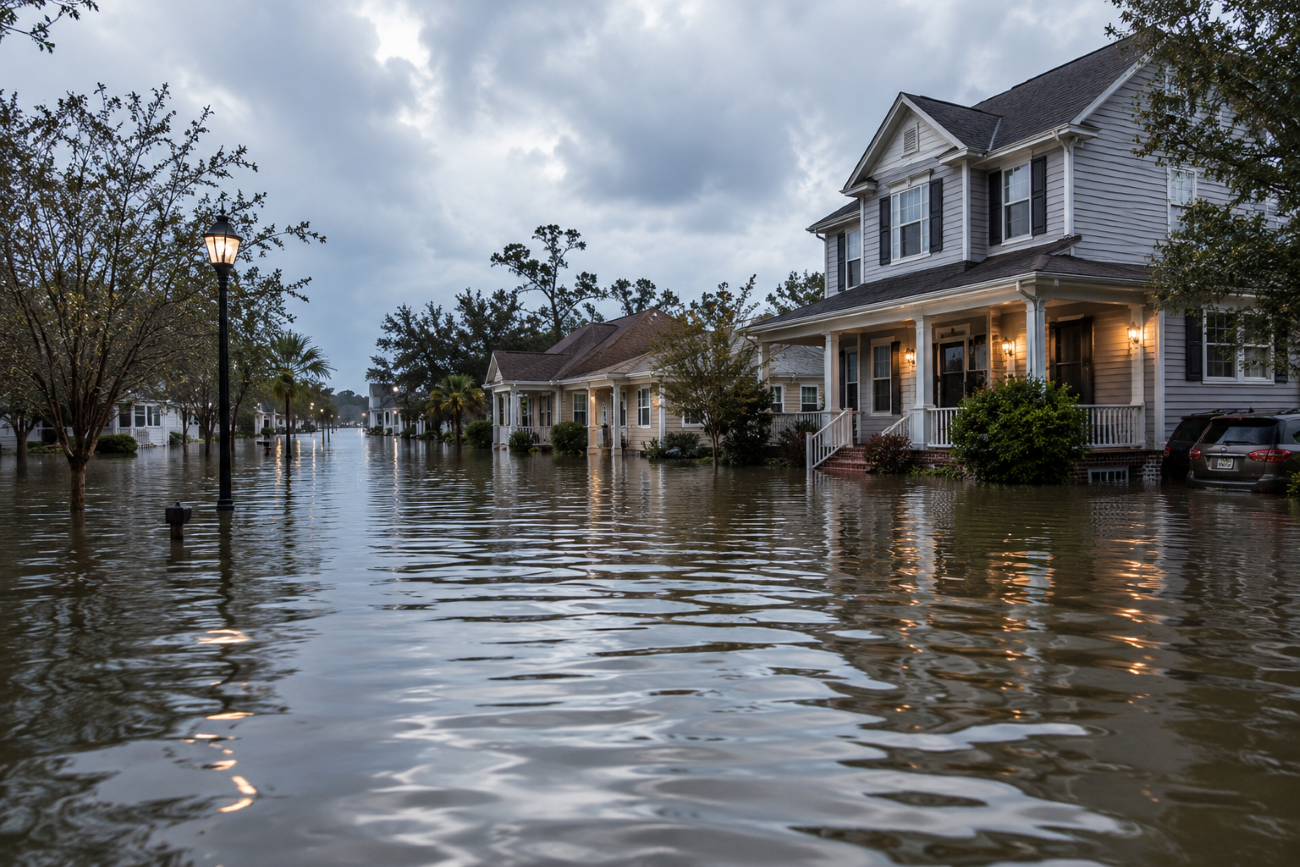
Flood Zones A and AE are considered higher-risk flood zones by FEMA and are often referred to as Special Flood Hazard Areas.
In most cases, if you are financing a home located in one of these zones, your lender will require flood insurance.
The difference between A and AE is mainly technical. AE zones typically have established base flood elevations, while A zones may not.
For most buyers, the important thing to understand is this:
👉 If the home is in Flood Zone A or AE and you are getting a mortgage, flood insurance will usually be required by the lender.
That flood insurance premium is typically added into the buyer’s monthly house note along with property taxes and homeowners insurance through escrow.
That means the cost of flood insurance can directly affect the buyer’s total monthly payment and overall affordability.
That does NOT automatically mean the property floods regularly. It simply means the property falls within FEMA’s higher-risk flood mapping areas.

This is where many buyers become confused.
Flood Zones B, C, and X are generally considered lower-risk flood zones by FEMA.
In many cases:
✅ lenders do NOT require flood insurance for financed homes in these zones.
That’s one of the reasons homes in Flood Zone X are often very attractive to buyers in South Louisiana.
However, lower-risk does not mean “no risk.” Flooding can technically happen almost anywhere during severe weather events, heavy rainfall, or drainage issues.
In fact, many people are surprised to learn that a significant number of flood insurance claims actually come from properties located outside of higher-risk flood zones.
Some homeowners still choose to carry flood insurance voluntarily even when it’s not required for added peace of mind.
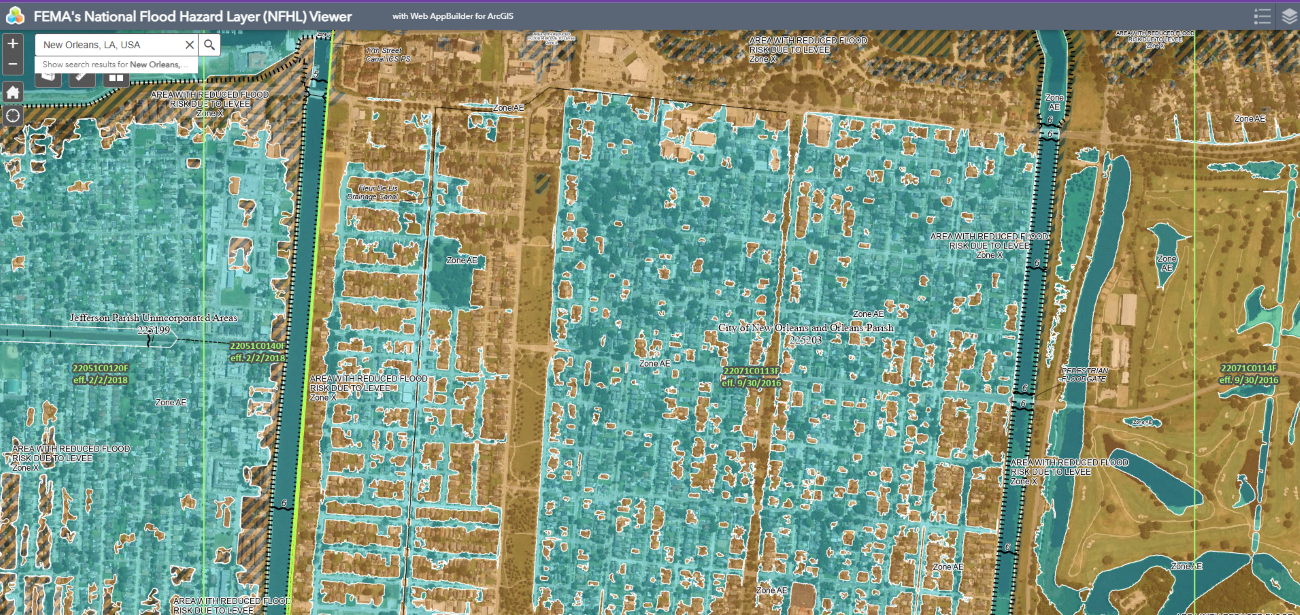
It’s also important for buyers to understand that a property can sometimes fall into two different flood zones at the same time.
For example, part of the property may be located in Flood Zone X while another portion may fall into Flood Zone A or AE.
In many cases, if any portion of the property falls within the higher-risk flood zone, the lender and insurance company may still require the higher-risk flood insurance policy, even if it’s only a small section of the property.
This is something that surprises many buyers during the home buying process.
That’s why it’s always important to:
Sometimes the difference can be significant depending on the property and the exact location of the structure itself.
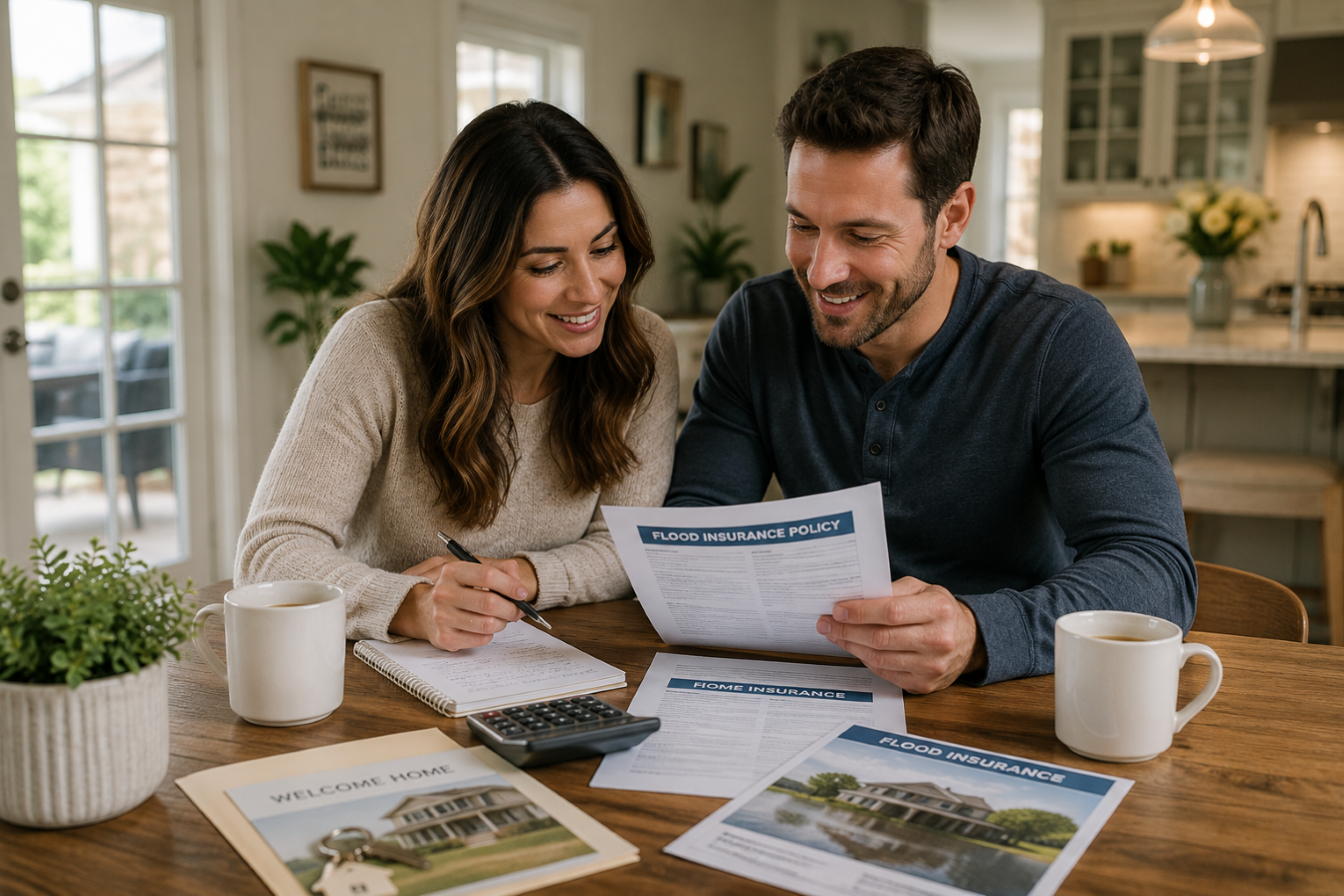
This is something many buyers don’t realize.
In some situations, existing flood insurance policies may be assumable if the seller agrees and the insurance company allows the transfer.
That can sometimes help buyers avoid large increases in flood insurance costs, especially in today’s market where rates have changed significantly for many homeowners.
This is definitely something worth discussing during the home buying process.
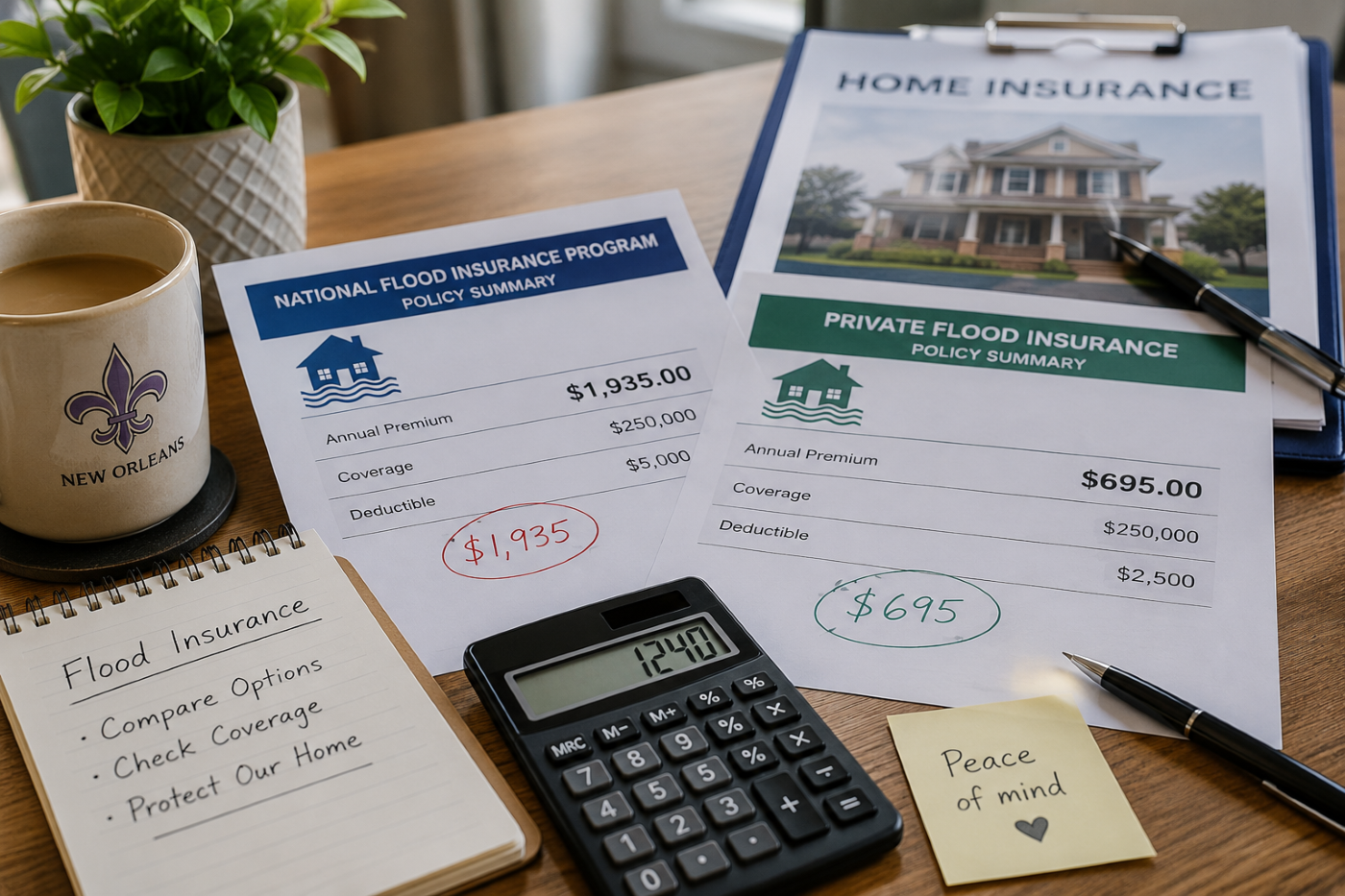
Personally, I experienced a major increase in my own flood insurance premium through the National Flood Insurance Program.
My policy increased from approximately $700 per year to nearly $2,000 annually for similar coverage.
After shopping around and exploring private flood insurance options, I was able to move back to roughly $700 per year with a private carrier for essentially the same type of coverage.
The biggest difference was simply:
That experience really opened my eyes to how important it is for homeowners and buyers to shop around and compare options instead of assuming there is only one choice available.
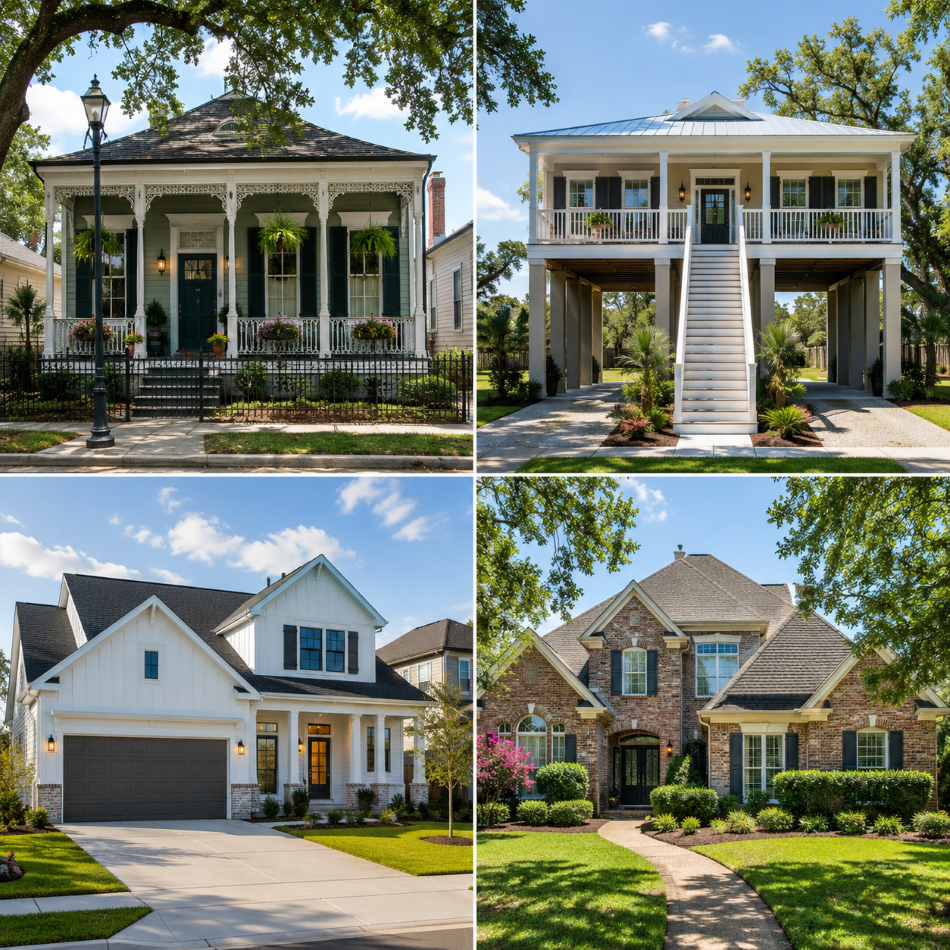
One important thing to remember is that flood insurance costs can vary based on:
That’s why it’s always important to speak with a trusted insurance professional and lender during the home buying process.
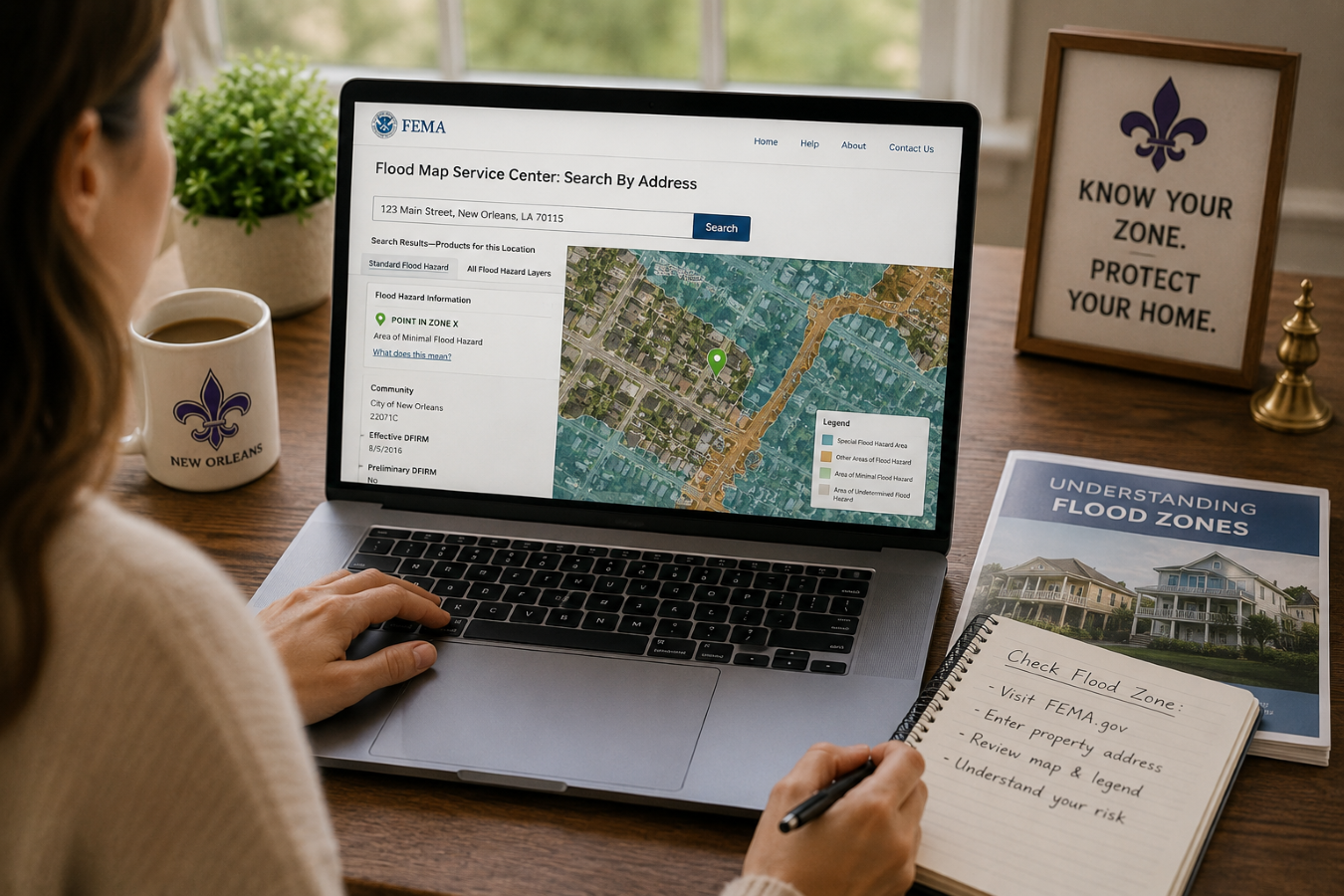
Buyers and homeowners can review FEMA flood maps online by visiting:
However, flood maps, insurance requirements, and property-specific situations can sometimes be more complicated than they initially appear, which is why speaking with local professionals is always important during the buying process.

Flood zones can sound overwhelming at first, especially for buyers relocating to South Louisiana, but understanding the basics can make the process much easier.
The good news is that being in a flood zone does not automatically make a home a bad investment. Many beautiful homes throughout Metro New Orleans and surrounding parishes are located in various flood zones, and buyers simply need the right information to make informed decisions.
The key is understanding:
As a real estate agent, I always recommend that my buyers contact their insurance provider for both homeowners insurance and flood insurance during their due diligence period so there are no surprises later regarding coverage or monthly costs.
Education and preparation can make a huge difference when purchasing a home in South Louisiana.

No. In many cases, homes located in Flood Zones B, C, and X do not require flood insurance if the buyer is obtaining financing. However, some homeowners still choose to carry flood insurance voluntarily for additional protection.
Flood Zone A is considered a higher-risk flood zone by FEMA, and flood insurance is usually required by the lender if the home is financed. Flood Zone X is considered a lower-risk flood zone, and flood insurance is often not required by lenders.
Yes. Some properties can sit in multiple flood zones at the same time. If part of the property falls within a higher-risk zone such as A or AE, the lender may still require the higher-risk flood insurance policy.
No. Flood Zone X is considered lower risk, but flooding can still happen during severe weather events, heavy rainfall, or drainage issues.
In some situations, flood insurance policies may be assumable if the seller agrees and the insurance company allows the transfer. Buyers should always verify details directly with the insurance provider.
Absolutely. I always recommend that buyers obtain both homeowners insurance and flood insurance quotes during their due diligence period so they fully understand the potential monthly costs before moving forward.
Thinking about buying a home in Metro New Orleans or on the Northshore? I'd be happy to help answer questions about flood zones, insurance considerations, and local neighborhoods.

With over a decade of experience in the real estate industry, Patricia Conaghan is your trusted partner in navigating the vibrant and diverse markets of Greater New Orleans. Recognized as a Top 500 Me....
⚜️ Flood Insurance in South Louisiana: NFIP vs. Private Flood Insurance ⚜️IntroductionIf you've spent any time buying, selling, or owning a home in South Louisiana, you've probably heard the
📥 Tip: To print this checklist, click Ctrl+P (Windows) or Command+P (Mac) and print this page. You can also save it as a PDF for future hurricane seasons. Or right-click on the flyer
⚜️ Hurricane Preparation in South Louisiana: A Step-by-Step Timeline Before the Storm Arrives ⚜️IntroductionLiving in South Louisiana comes with many advantages: incredible food, unique
⚜️ Is Today's Housing Market Like the 1980s? Here's My Take as a Louisiana Realtor ⚜️IntroductionOne of the questions I hear from both buyers and sellers is:"Have we ever seen a housing
 The multiple listing information is provided by the Greater Baton Rouge Association of REALTORS®, Inc. multiple listing service from a copyrighted compilation of listings. The compilation of listings and each individual listing are ©2026 MLS. All Rights Reserved. The information provided is for clients' personal, non-commercial use and may not be used for any purpose other than to identify prospective properties clients may be interested in purchasing. All properties are subject to prior sale
or withdrawal.
Show More...
The multiple listing information is provided by the Greater Baton Rouge Association of REALTORS®, Inc. multiple listing service from a copyrighted compilation of listings. The compilation of listings and each individual listing are ©2026 MLS. All Rights Reserved. The information provided is for clients' personal, non-commercial use and may not be used for any purpose other than to identify prospective properties clients may be interested in purchasing. All properties are subject to prior sale
or withdrawal.
Show More...
 Copyright © 2026 New Orleans Metropolitan Association of REALTORS®, Inc. All Rights Reserved. The sharing of MLS database, or any portion thereof, with any unauthorized third party is strictly prohibited. Information contained on this site is believed to be reliable; yet, users of this web site are responsible for checking the accuracy, completeness, currency, or suitability of all information. Neither the New Orleans Metropolitan Association of REALTORS®, Inc. nor the Gulf South Real
Estate Information Network, Inc. makes any representation, guarantees, or warranties as to the accuracy, completeness, currency, or suitability of the information provided. They specifically disclaim any and all liability for all claims or damages that may result from providing information to be used on the web site, or the information which it contains, including any websites maintained by third parties, which may be linked to this web site. The information being provided is for the consumers personal, non-commercial use, and may not be used for any purpose other than to identify prospective properties which consumers may be interested in purchasing. The user of this site is granted permission to copy a reasonable and limited number of copies to be used in satisfying the purposes identified in the preceding sentence. Last Updated: September 25, 2026 9:19 AM UTC
Show More...
Copyright © 2026 New Orleans Metropolitan Association of REALTORS®, Inc. All Rights Reserved. The sharing of MLS database, or any portion thereof, with any unauthorized third party is strictly prohibited. Information contained on this site is believed to be reliable; yet, users of this web site are responsible for checking the accuracy, completeness, currency, or suitability of all information. Neither the New Orleans Metropolitan Association of REALTORS®, Inc. nor the Gulf South Real
Estate Information Network, Inc. makes any representation, guarantees, or warranties as to the accuracy, completeness, currency, or suitability of the information provided. They specifically disclaim any and all liability for all claims or damages that may result from providing information to be used on the web site, or the information which it contains, including any websites maintained by third parties, which may be linked to this web site. The information being provided is for the consumers personal, non-commercial use, and may not be used for any purpose other than to identify prospective properties which consumers may be interested in purchasing. The user of this site is granted permission to copy a reasonable and limited number of copies to be used in satisfying the purposes identified in the preceding sentence. Last Updated: September 25, 2026 9:19 AM UTC
Show More...
 MLS United® - All information deemed reliable but not guaranteed. All properties are subject to prior sale, change, or withdrawal. Neither listing broker(s) or information provider(s) shall be responsible for any typographical errors, misinformation, misprints and shall be held totally harmless. Listing(s) information is provided for consumer's personal, non-commercial use and may not be used for any purpose other than to identify prospective properties consumers may be interested in purchasing.
The data relating to real estate for sale on this website comes in part from the Internet Data Exchange program of the Multiple Listing Service. Real estate listings held by brokerage firms other than REMAX Alliance may be marked with the Internet Data Exchange logo and detailed information about those properties will include the name of the listing broker(s) when required by the MLS. Copyright ©2026 All rights reserved.
Last Updated: September 25, 2026 8:47 AM UTC
Show More...
MLS United® - All information deemed reliable but not guaranteed. All properties are subject to prior sale, change, or withdrawal. Neither listing broker(s) or information provider(s) shall be responsible for any typographical errors, misinformation, misprints and shall be held totally harmless. Listing(s) information is provided for consumer's personal, non-commercial use and may not be used for any purpose other than to identify prospective properties consumers may be interested in purchasing.
The data relating to real estate for sale on this website comes in part from the Internet Data Exchange program of the Multiple Listing Service. Real estate listings held by brokerage firms other than REMAX Alliance may be marked with the Internet Data Exchange logo and detailed information about those properties will include the name of the listing broker(s) when required by the MLS. Copyright ©2026 All rights reserved.
Last Updated: September 25, 2026 8:47 AM UTC
Show More...
