
⚜️ Flood Insurance in South Louisiana: NFIP vs. Private Flood Insurance ⚜️IntroductionIf you've spent any time buying, selling, or owning a home in South Louisiana, you've probably heard the
Dated: June 1 2026
Views: 56
If you've lived in South Louisiana for any length of time, you know there are certain signs that hurricane season is approaching.
The weather becomes hotter and more humid. Afternoon thunderstorms become more frequent. Local news stations begin discussing tropical disturbances forming far out in the Atlantic. Conversations at family gatherings suddenly include phrases like "storm surge," "cone of uncertainty," and "stocking up on supplies."
For many longtime residents, hurricane preparation becomes almost second nature.
For newcomers, however, hurricane season can feel overwhelming.
As a Realtor who works with both longtime Louisiana residents and people relocating from other parts of the country, I've discovered that one of the biggest surprises for newcomers is just how seriously we take hurricane preparedness.
And honestly, there is a good reason for that.
Most of us have experienced storms that left us without power for days (Katrina & Ida). Many remember spending hours sitting in evacuation traffic. Some have experienced flooding, fallen trees, damaged roofs, or extended recovery efforts after major storms.
The goal of preparation isn't to create fear.
The goal is to create peace of mind.
Because when a storm eventually appears on the forecast, the last thing you want is to be making important decisions while everyone else is rushing to do the exact same thing.
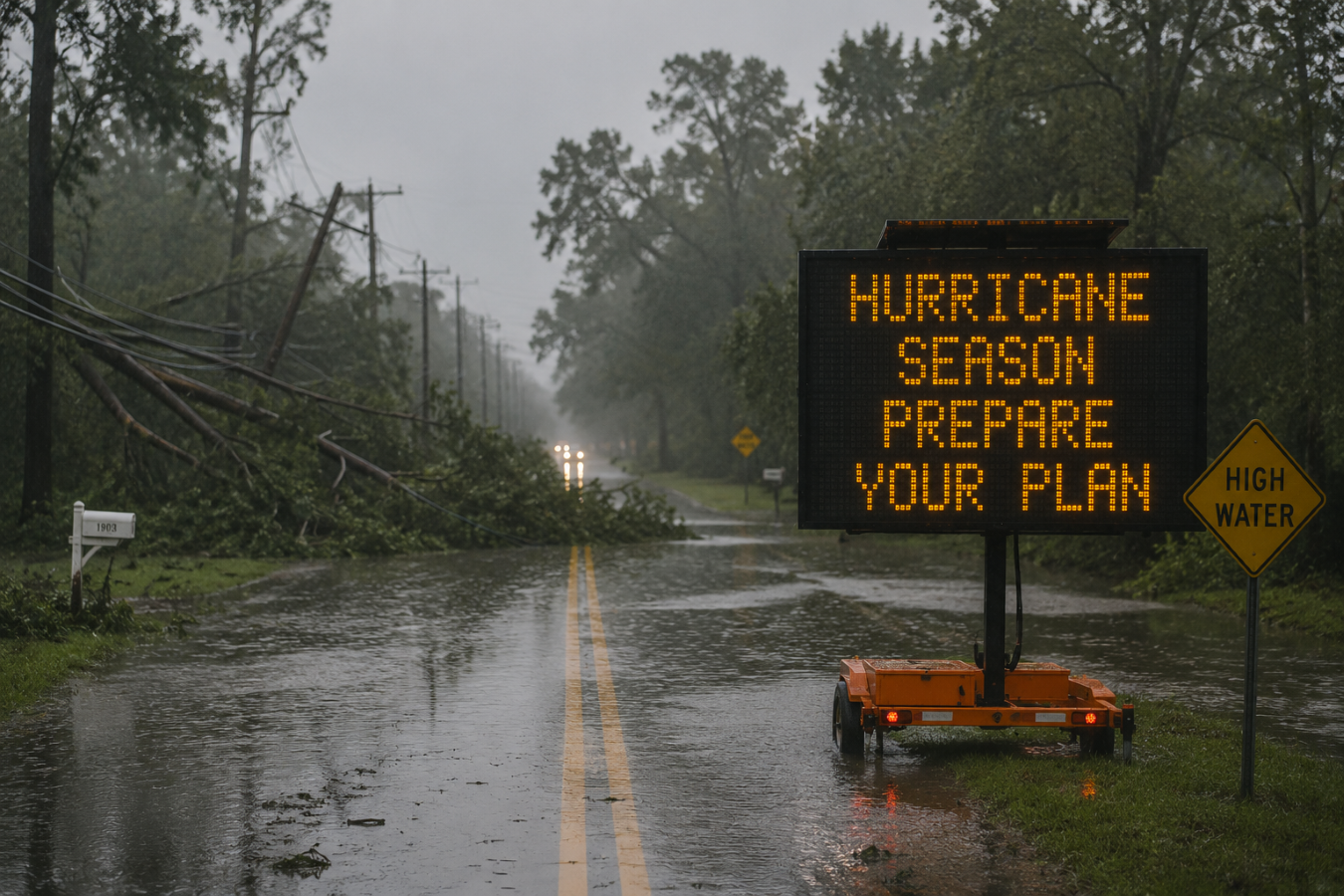
One of the most common misconceptions I hear from people moving to the Northshore is:
"I'm not near the Gulf, so hurricanes aren't really a concern for me."
While it's true that coastal communities often experience the greatest storm surge risk, hurricanes can impact areas far inland.
Strong winds can topple trees onto homes and power lines.
Heavy rainfall can create flooding in areas that have never flooded before.
Tornadoes can develop with little warning.
Power outages can extend for days or even weeks depending on the severity of the storm.
Many Northshore residents learned this firsthand during Hurricane Ida. Although the eye made landfall well south of St. Tammany Parish, the storm's impacts were felt throughout the region.
The lesson is simple:
You don't have to live directly on the coast to be affected by a hurricane.
Every resident of South Louisiana should have a plan.
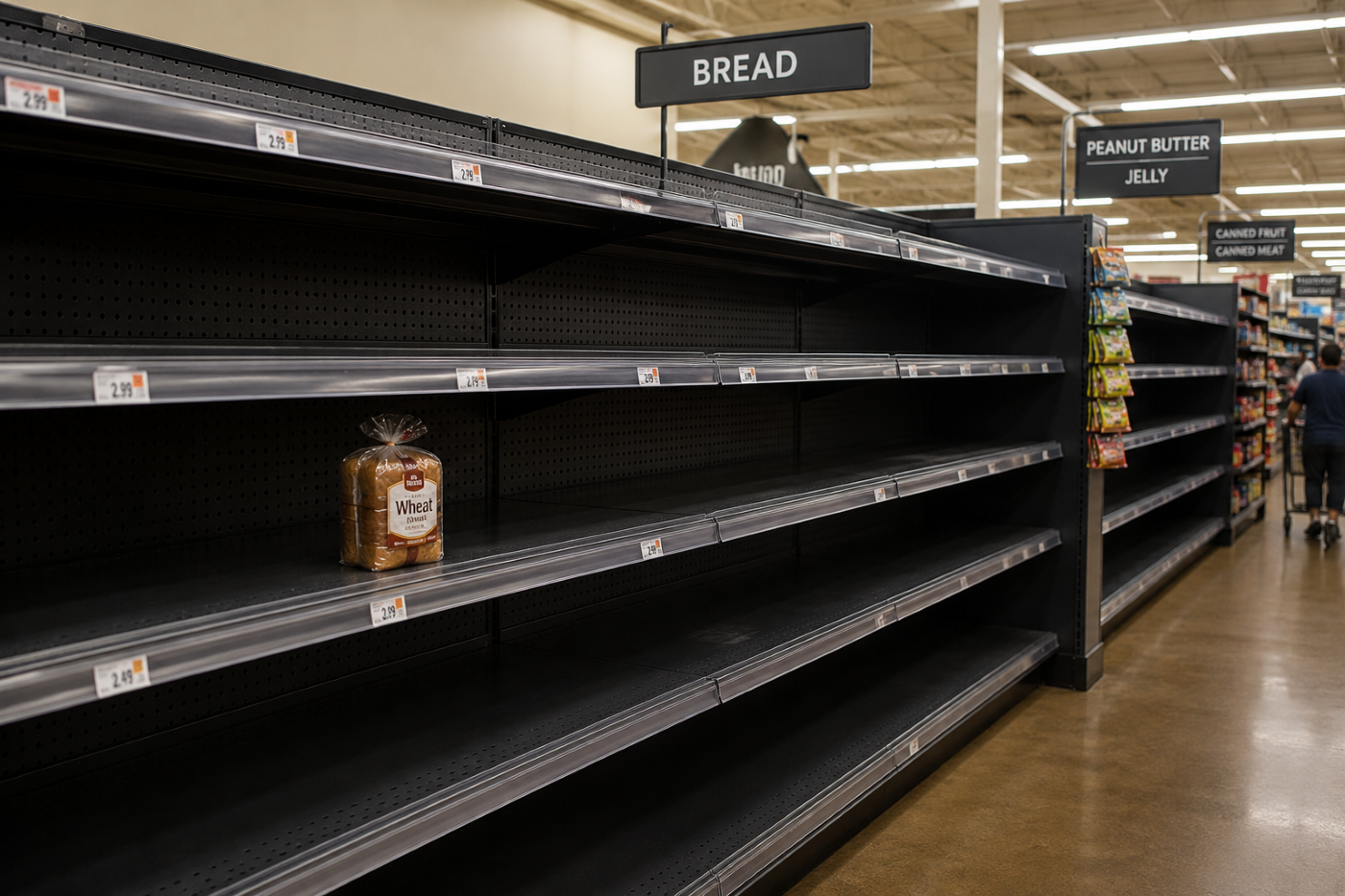
If you've ever visited a grocery store a few days before a major storm, you've seen it.
Water disappears.
Bread disappears.
Batteries disappear.
Gas station lines stretch around the block.
People who normally wouldn't think twice about hurricane season suddenly find themselves scrambling to gather supplies.
The reality is that the best preparation happens long before a storm enters the Gulf of Mexico.
Experienced residents know that hurricane season officially begins on June 1, but preparation should start weeks or even months before that date.
The goal is not to panic when a storm develops.
The goal is to already be ready.
Having supplies on hand allows you to focus on important decisions instead of fighting crowds at the grocery store.
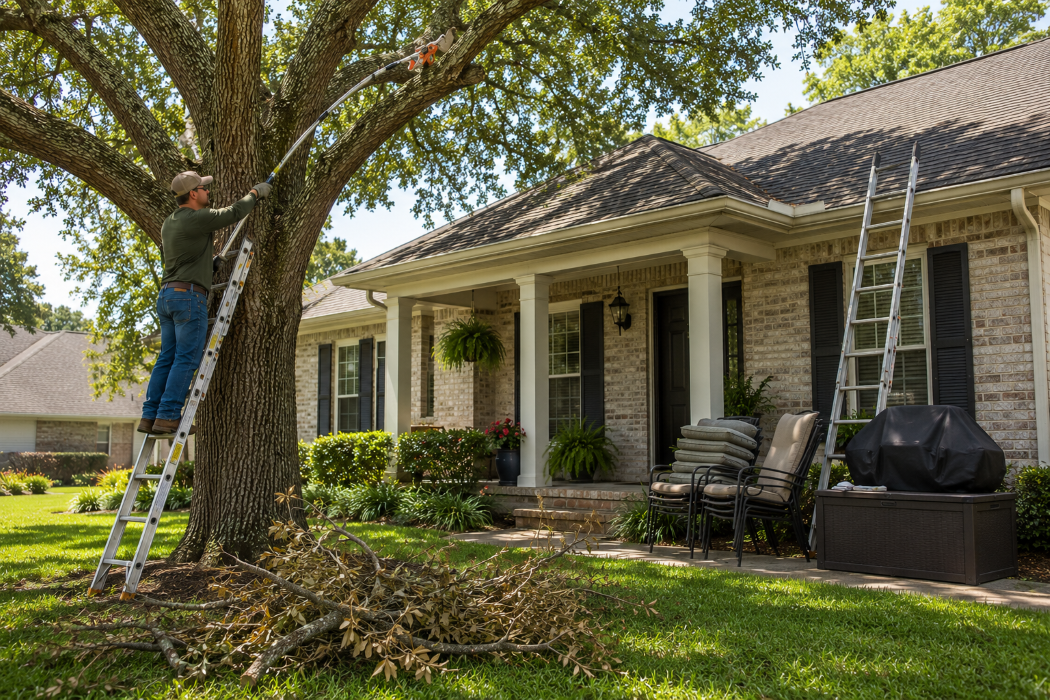
One of the smartest things homeowners can do is prepare their property before hurricane season becomes active.
Walk around your home and look at it through the eyes of a strong windstorm.
Are there loose patio chairs?
Dead tree limbs hanging over the roof?
Outdoor decorations that could become airborne?
Gutters filled with debris?
These may seem like small issues today, but during a hurricane they can quickly become larger problems.
Many insurance professionals also recommend photographing your home and valuable belongings before storm season begins.
If damage occurs, those photographs can become extremely helpful during the claims process.
It's also a good time to review your insurance policies. Please note that if you
Many homeowners are surprised to learn that flood damage is generally not covered under a standard homeowner's insurance policy.
Knowing what coverage you have before a storm is far better than learning about coverage gaps afterward.
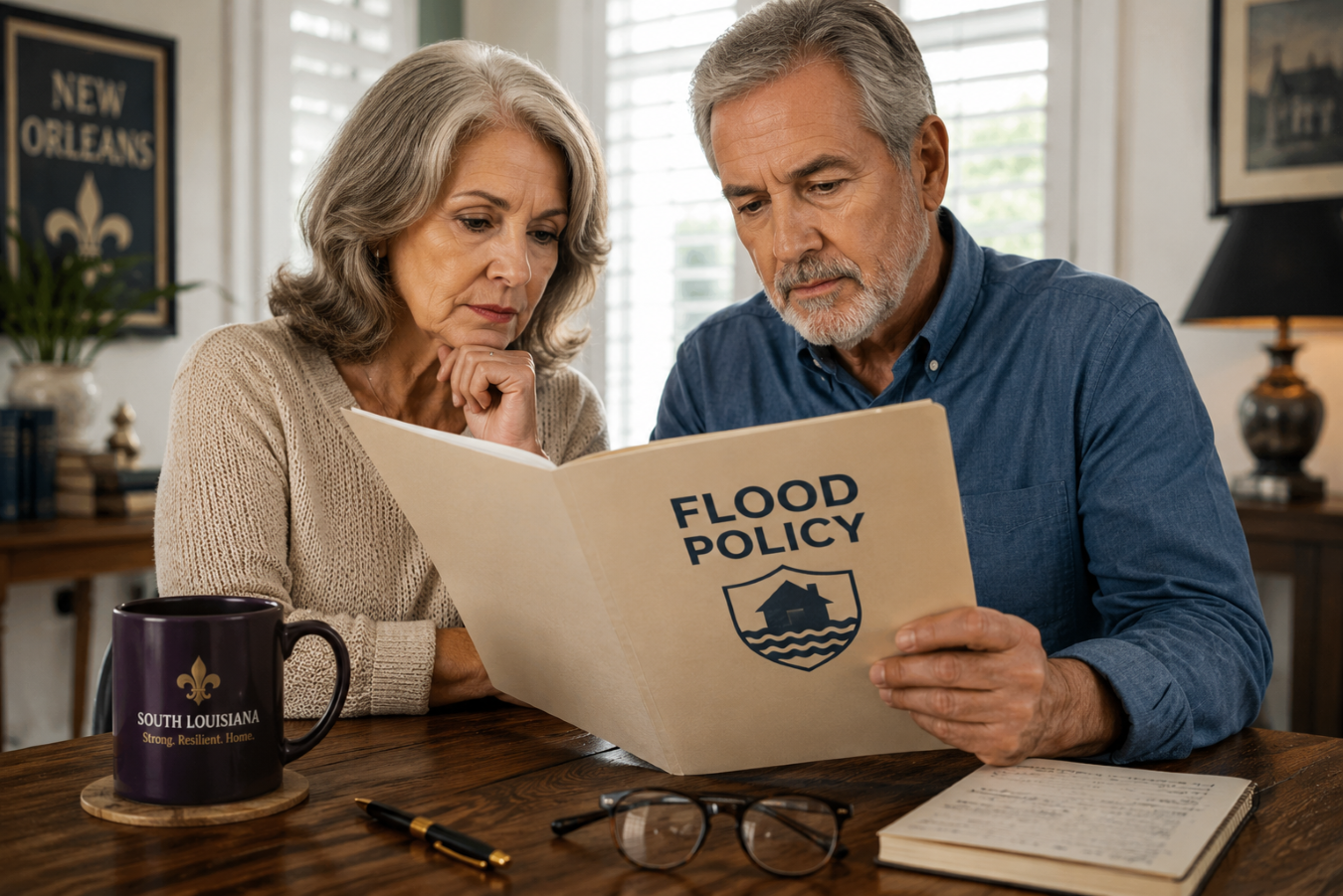
One of the biggest misconceptions many homeowners have is believing they can purchase flood insurance as soon as a storm appears in the forecast.
In most cases, that's simply not how flood insurance works.
Standard flood insurance policies through the National Flood Insurance Program (NFIP) typically include a waiting period before coverage becomes effective. This means homeowners who wait until hurricane season is in full swing may discover they're unable to obtain coverage in time for an approaching storm.
There are some exceptions. Homebuyers who purchase flood insurance as part of a real estate closing often receive immediate coverage without the standard waiting period. Existing policyholders who are renewing or making certain policy changes may also have different requirements.
Some private flood insurance companies may offer shorter waiting periods than NFIP policies, but availability and underwriting requirements vary by company.
Perhaps most importantly, once a named storm develops and threatens the Gulf Coast, insurance companies generally restrict new flood insurance purchases and certain policy changes until the storm has passed.
The takeaway is simple: if you're considering flood insurance, don't wait until a hurricane is on the evening news. Review your options well before hurricane season becomes active so you have time to make informed decisions about protecting your home and belongings.
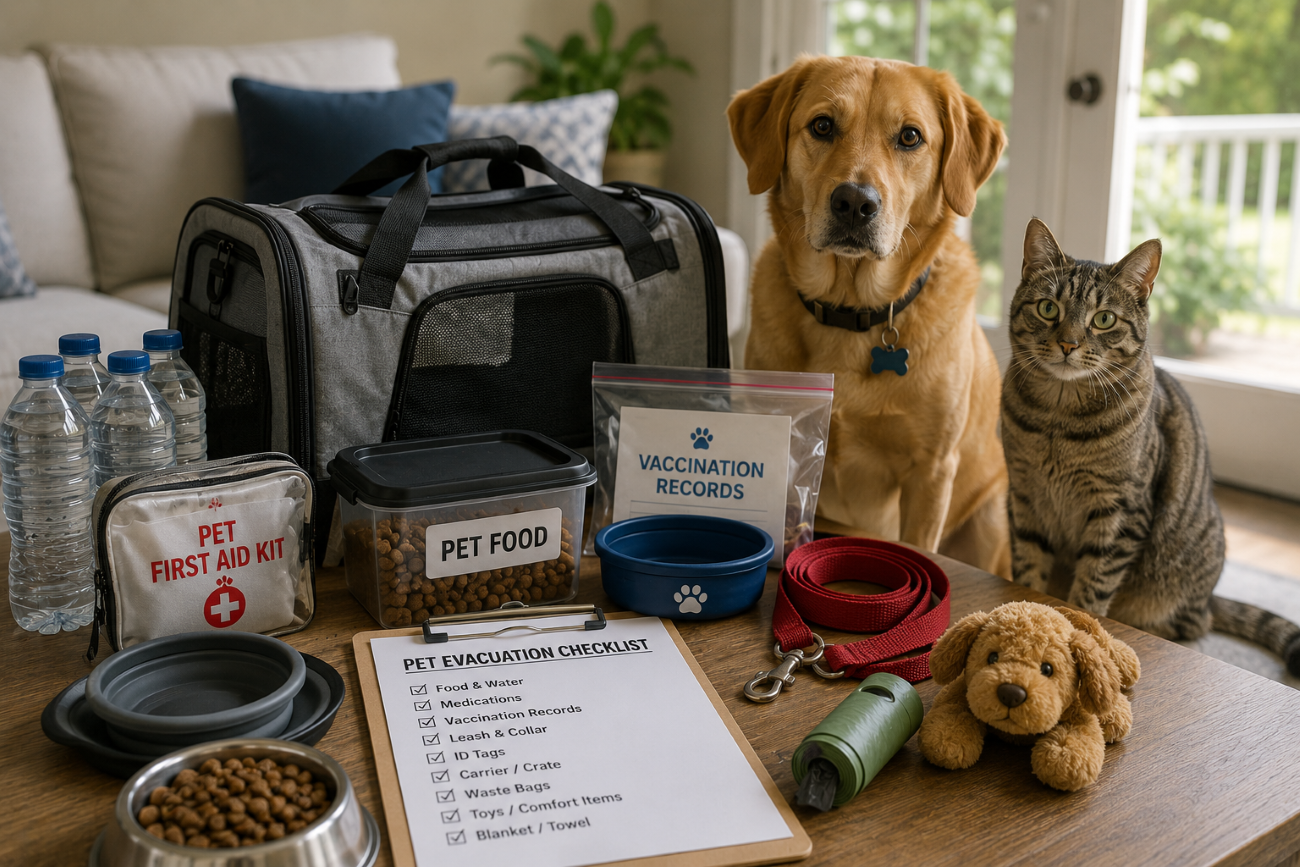
Ask almost any pet owner and they'll tell you the same thing:
Pets are family.
Yet every hurricane season, emergency officials continue to remind residents to include pets in their evacuation plans.
If you wait until the last minute, finding pet-friendly accommodations can become difficult.
Your hurricane preparations should include food, water, medications, vaccination records, leashes, carriers, and anything else your pet may need if you are away from home for several days.
One of the biggest mistakes people make is assuming they'll "figure it out later."
Unfortunately, later can arrive very quickly when a storm changes direction or strengthens unexpectedly.
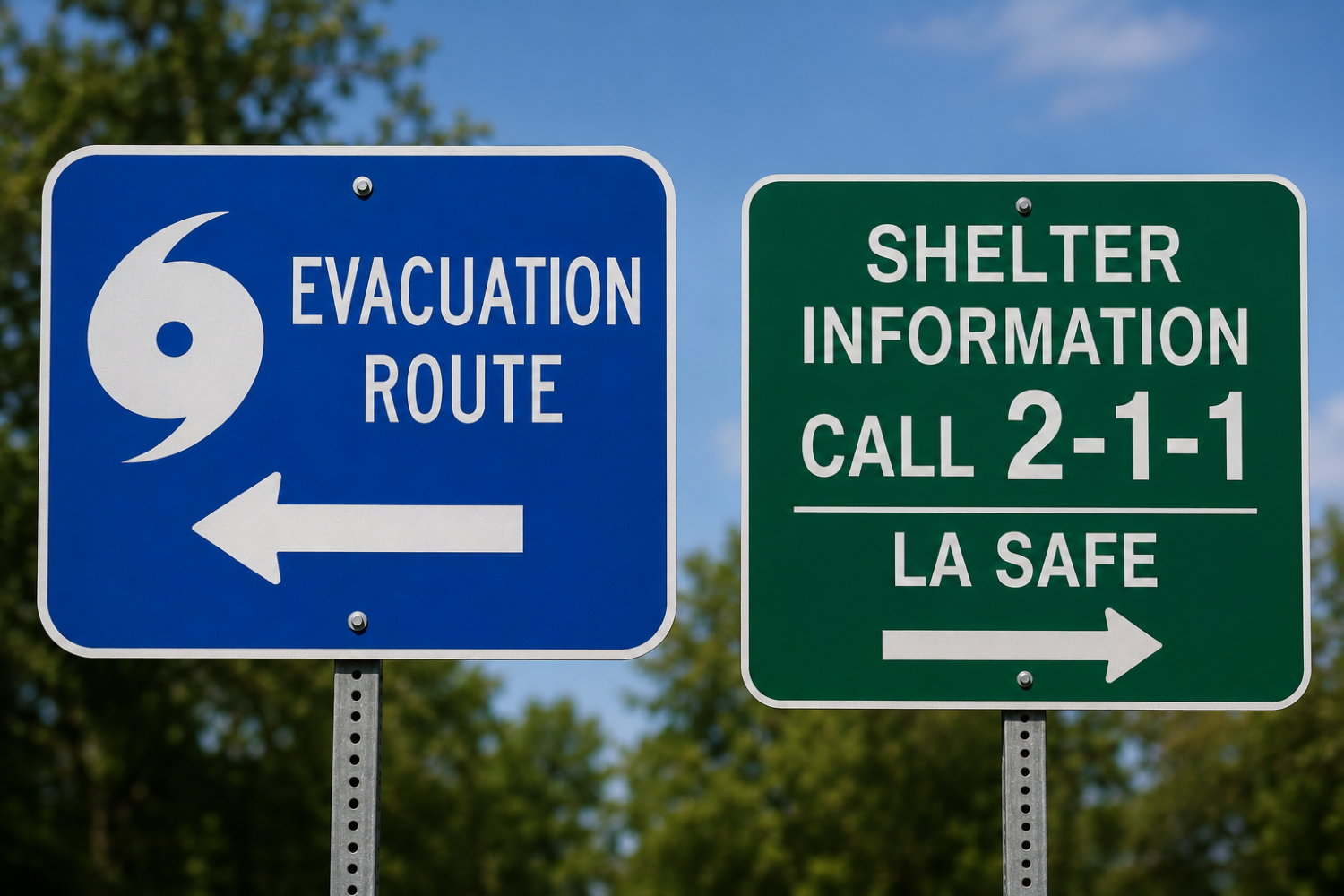
This is one area where I want to provide a very important disclaimer.
Shelter locations, shelter availability, evacuation procedures, and designated facilities can change from storm to storm.
Always verify current information directly through your parish government, emergency management office, or official emergency preparedness resources.
Do not rely solely on information you may have read months earlier.
Historically, New Orleans has often utilized city-assisted evacuation programs rather than opening large general population shelters within the city for major hurricanes.
Residents who cannot self-evacuate have traditionally been directed to the Smoothie King Center evacuation hub, where transportation is provided to shelters outside of the impact area.
On the Northshore, St. Tammany Parish has historically designated certain schools and public facilities as emergency shelters depending on the specific event.
Some locations have also served as pet-friendly shelters.
However, these locations are not automatically open for every storm, and shelter assignments can change.
That's why it's critical to follow official announcements from local officials whenever a storm threatens our area.
For statewide shelter information, residents can often call 2-1-1 or utilize official Louisiana emergency preparedness resources.
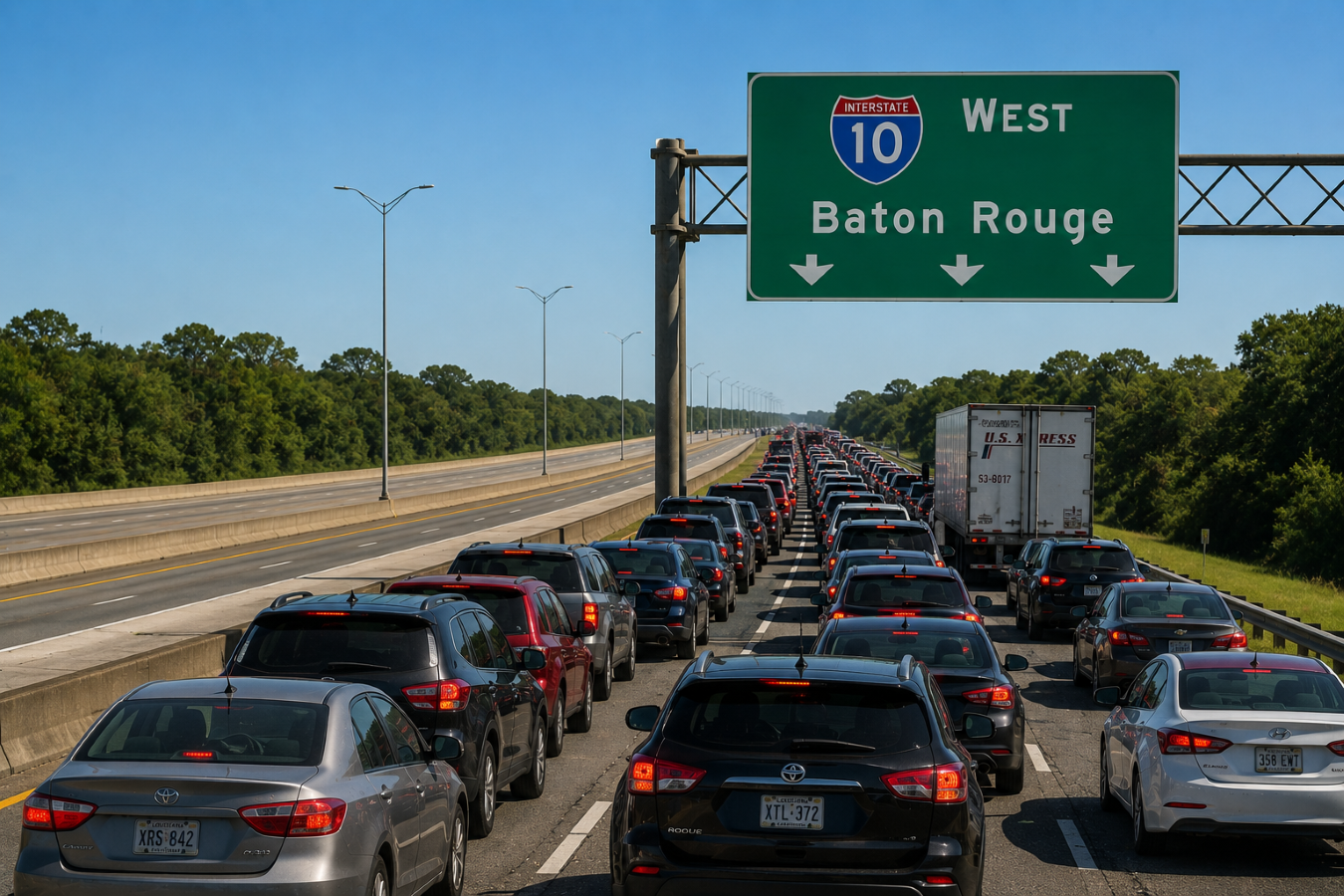
One of the most stressful experiences during a hurricane is trying to determine where to go while everyone else is doing the same thing.
The best evacuation plans are created long before a storm appears.
Know multiple routes.
Know where family members will meet.
Know where you might stay.
Know which hotels accept pets.
Know where fuel stations are located.
Louisiana utilizes phased evacuation plans to help reduce traffic congestion during major storms.
Understanding those routes before an evacuation order is issued can make a tremendous difference.
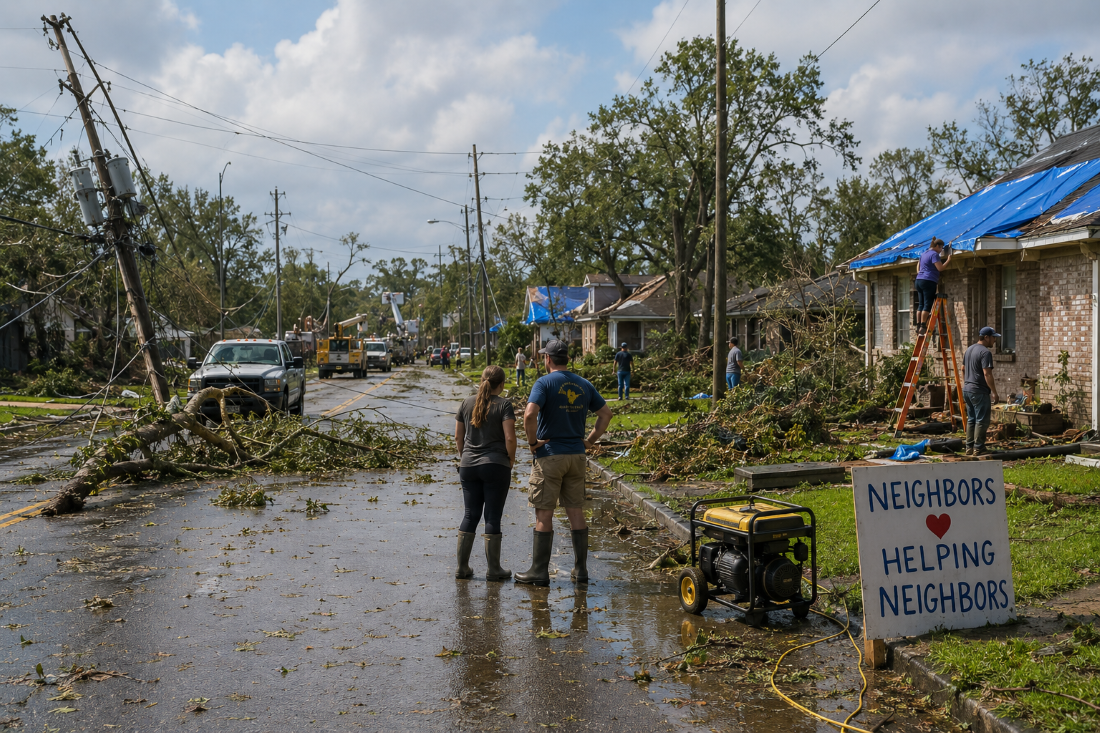
Many people assume the danger ends when the rain stops.
In reality, some of the greatest risks occur after the storm has moved away.
Downed power lines, flooded roadways, damaged structures, carbon monoxide poisoning from generators, and cleanup-related injuries are common concerns following major weather events.
Patience becomes important.
Residents should wait for official guidance before returning to evacuated areas and should use caution when assessing damage.
Recovery often takes longer than people expect.
But one thing South Louisiana communities have always done well is come together during difficult times.
Neighbors help neighbors.
Families help families.
Communities rebuild.
And life gradually returns to normal.

Living in South Louisiana comes with many rewards. We enjoy incredible food, rich history, unique culture, beautiful waterways, festivals, music, and a lifestyle unlike anywhere else in America.
Hurricane season is simply one part of that experience.
The good news is that preparation doesn't have to be complicated.
By developing a plan before hurricane season begins, understanding your risks, preparing your home, making arrangements for your pets, and knowing where to find reliable information, you'll be far better prepared if a storm ever threatens our area.
Hopefully, you'll never need most of these preparations.
But if you do, you'll be thankful you took the time to prepare before the first storm appears on the forecast.
Whether you've lived in South Louisiana your entire life or you're preparing for your first hurricane season here, a little preparation can go a long way. Understanding your flood risk, insurance coverage, evacuation options, and emergency plans helps protect not only your property but also the people and pets you love most.
Hopefully, you'll never need most of these preparations. But if a storm does threaten our area, you'll be thankful you took the time to prepare before the first tropical system appears on the forecast.
As always, if you're considering buying, selling, or relocating within Metro New Orleans and surrounding parishes, I'm always happy to help answer questions about neighborhoods, flood zones, insurance considerations, and what it's really like to live in South Louisiana. Sometimes understanding these local factors can be just as important as finding the right home.
Stay safe, stay prepared, and here's hoping for a quiet hurricane season.
Hurricane season officially runs from June 1 through November 30, although tropical activity can occasionally occur outside those dates.
No. Follow guidance from local emergency officials, trusted meteorologists, and parish emergency management offices.
No. Shelter locations and availability depend on the specific storm and emergency conditions. Always verify information through official sources.
Some shelters may accommodate pets, but policies can change. Always check official guidance before a storm.
Many flood claims occur outside high-risk flood zones. Speak with your insurance professional about your specific property and risk factors.

#PatriciasellsNOLA #REMAXAlliance #abovethecrowd #SouthLouisiana
#HurricaneSeason #HurricanePreparedness #LouisianaLiving #NewOrleansHomes
#NorthshoreLiving #SouthshoreLiving

With over a decade of experience in the real estate industry, Patricia Conaghan is your trusted partner in navigating the vibrant and diverse markets of Greater New Orleans. Recognized as a Top 500 Me....
⚜️ Flood Insurance in South Louisiana: NFIP vs. Private Flood Insurance ⚜️IntroductionIf you've spent any time buying, selling, or owning a home in South Louisiana, you've probably heard the
📥 Tip: To print this checklist, click Ctrl+P (Windows) or Command+P (Mac) and print this page. You can also save it as a PDF for future hurricane seasons. Or right-click on the flyer
⚜️ Hurricane Preparation in South Louisiana: A Step-by-Step Timeline Before the Storm Arrives ⚜️IntroductionLiving in South Louisiana comes with many advantages: incredible food, unique
⚜️ Is Today's Housing Market Like the 1980s? Here's My Take as a Louisiana Realtor ⚜️IntroductionOne of the questions I hear from both buyers and sellers is:"Have we ever seen a housing
 The multiple listing information is provided by the Greater Baton Rouge Association of REALTORS®, Inc. multiple listing service from a copyrighted compilation of listings. The compilation of listings and each individual listing are ©2026 MLS. All Rights Reserved. The information provided is for clients' personal, non-commercial use and may not be used for any purpose other than to identify prospective properties clients may be interested in purchasing. All properties are subject to prior sale
or withdrawal.
Show More...
The multiple listing information is provided by the Greater Baton Rouge Association of REALTORS®, Inc. multiple listing service from a copyrighted compilation of listings. The compilation of listings and each individual listing are ©2026 MLS. All Rights Reserved. The information provided is for clients' personal, non-commercial use and may not be used for any purpose other than to identify prospective properties clients may be interested in purchasing. All properties are subject to prior sale
or withdrawal.
Show More...
 Copyright © 2026 New Orleans Metropolitan Association of REALTORS®, Inc. All Rights Reserved. The sharing of MLS database, or any portion thereof, with any unauthorized third party is strictly prohibited. Information contained on this site is believed to be reliable; yet, users of this web site are responsible for checking the accuracy, completeness, currency, or suitability of all information. Neither the New Orleans Metropolitan Association of REALTORS®, Inc. nor the Gulf South Real
Estate Information Network, Inc. makes any representation, guarantees, or warranties as to the accuracy, completeness, currency, or suitability of the information provided. They specifically disclaim any and all liability for all claims or damages that may result from providing information to be used on the web site, or the information which it contains, including any websites maintained by third parties, which may be linked to this web site. The information being provided is for the consumers personal, non-commercial use, and may not be used for any purpose other than to identify prospective properties which consumers may be interested in purchasing. The user of this site is granted permission to copy a reasonable and limited number of copies to be used in satisfying the purposes identified in the preceding sentence. Last Updated: September 25, 2026 9:19 AM UTC
Show More...
Copyright © 2026 New Orleans Metropolitan Association of REALTORS®, Inc. All Rights Reserved. The sharing of MLS database, or any portion thereof, with any unauthorized third party is strictly prohibited. Information contained on this site is believed to be reliable; yet, users of this web site are responsible for checking the accuracy, completeness, currency, or suitability of all information. Neither the New Orleans Metropolitan Association of REALTORS®, Inc. nor the Gulf South Real
Estate Information Network, Inc. makes any representation, guarantees, or warranties as to the accuracy, completeness, currency, or suitability of the information provided. They specifically disclaim any and all liability for all claims or damages that may result from providing information to be used on the web site, or the information which it contains, including any websites maintained by third parties, which may be linked to this web site. The information being provided is for the consumers personal, non-commercial use, and may not be used for any purpose other than to identify prospective properties which consumers may be interested in purchasing. The user of this site is granted permission to copy a reasonable and limited number of copies to be used in satisfying the purposes identified in the preceding sentence. Last Updated: September 25, 2026 9:19 AM UTC
Show More...
 MLS United® - All information deemed reliable but not guaranteed. All properties are subject to prior sale, change, or withdrawal. Neither listing broker(s) or information provider(s) shall be responsible for any typographical errors, misinformation, misprints and shall be held totally harmless. Listing(s) information is provided for consumer's personal, non-commercial use and may not be used for any purpose other than to identify prospective properties consumers may be interested in purchasing.
The data relating to real estate for sale on this website comes in part from the Internet Data Exchange program of the Multiple Listing Service. Real estate listings held by brokerage firms other than REMAX Alliance may be marked with the Internet Data Exchange logo and detailed information about those properties will include the name of the listing broker(s) when required by the MLS. Copyright ©2026 All rights reserved.
Last Updated: September 25, 2026 8:47 AM UTC
Show More...
MLS United® - All information deemed reliable but not guaranteed. All properties are subject to prior sale, change, or withdrawal. Neither listing broker(s) or information provider(s) shall be responsible for any typographical errors, misinformation, misprints and shall be held totally harmless. Listing(s) information is provided for consumer's personal, non-commercial use and may not be used for any purpose other than to identify prospective properties consumers may be interested in purchasing.
The data relating to real estate for sale on this website comes in part from the Internet Data Exchange program of the Multiple Listing Service. Real estate listings held by brokerage firms other than REMAX Alliance may be marked with the Internet Data Exchange logo and detailed information about those properties will include the name of the listing broker(s) when required by the MLS. Copyright ©2026 All rights reserved.
Last Updated: September 25, 2026 8:47 AM UTC
Show More...
